
- 50 Years Experience
- Specialist Welding Equipment
- Classic Vehicle Experts
- Trusted Local Workshop
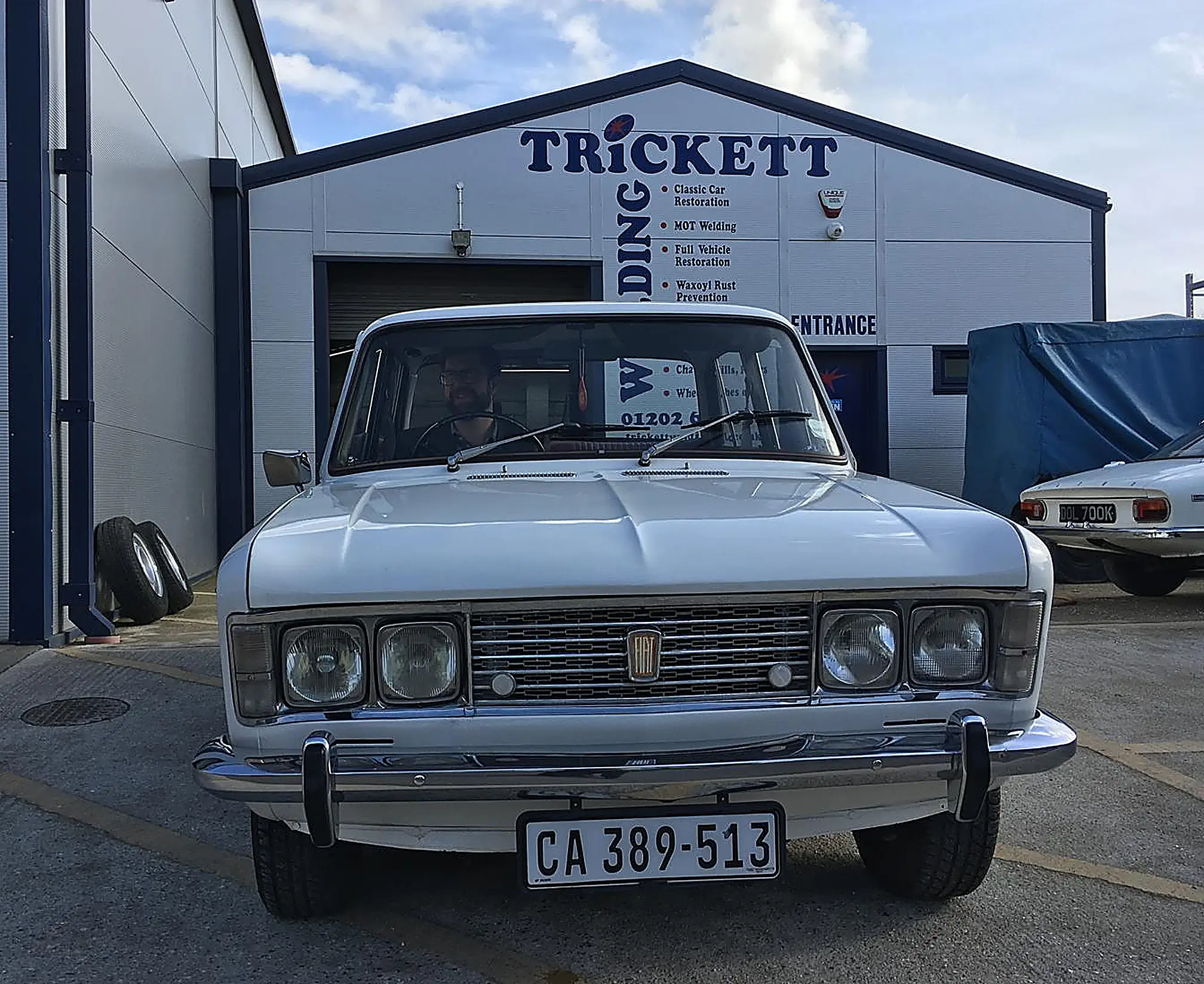
The South African years and the classic cars that kept arriving at Trickett Welding
Looking back through old photographs recently, Nigel Trickett realised just how remarkable one particular period in the history of Trickett Welding really was.
For several years, transporter after transporter arrived at the workshop carrying classic cars that a customer had sourced in South Africa.
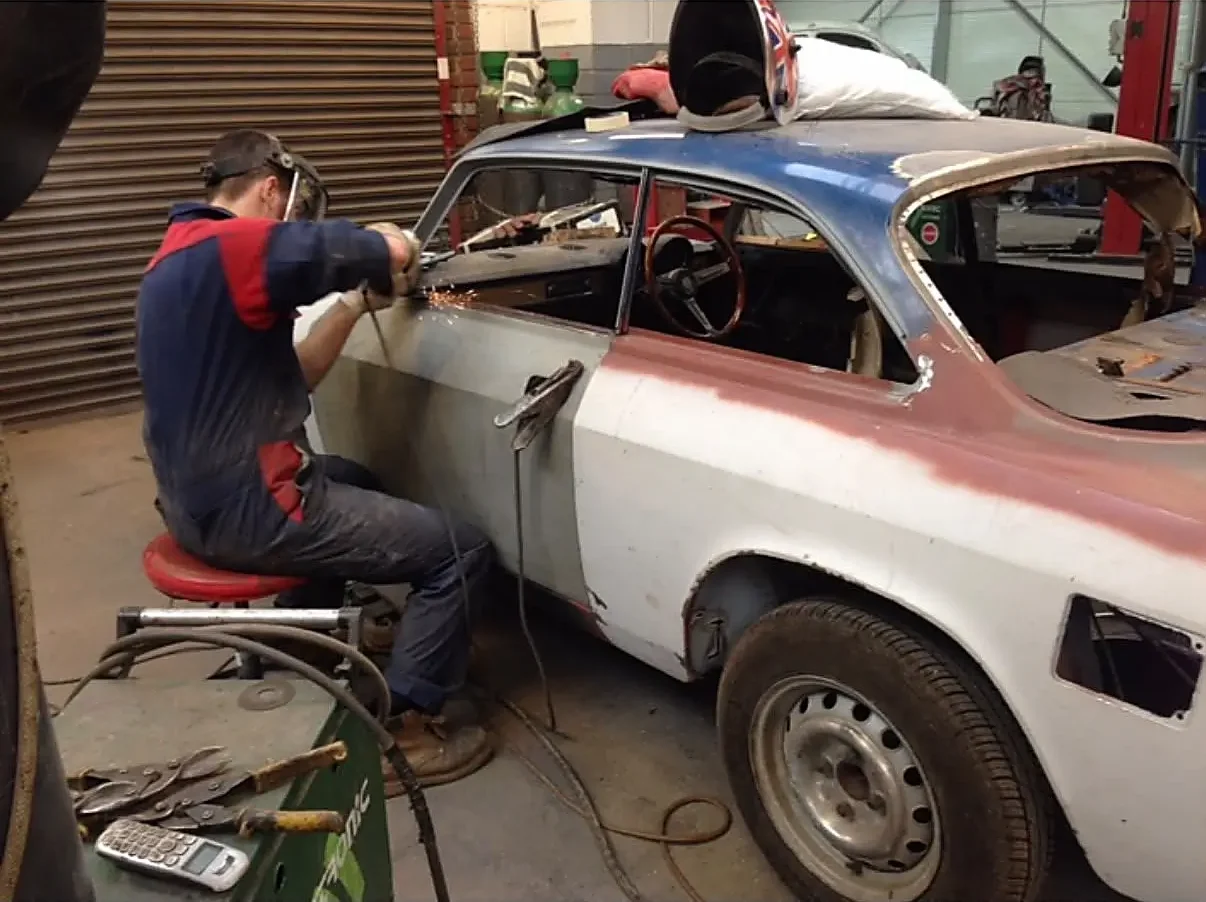
At the time, it simply became part of everyday life at Trickett Welding. A transporter would arrive, the cars would be unloaded and the team would get on with whatever needed doing: inspecting them, recommissioning them, carrying out mechanical or bodywork repairs and, where necessary, getting them through an MOT and ready for British roads.
Nearly a decade later, looking back through the photographs, it is much easier to appreciate just how unusual the whole operation really was.
An extraordinary variety of cars
The customer had a good eye for interesting cars and, while the exchange rate made the figures work, South Africa provided a steady supply of classics that could be bought, shipped to Britain and prepared for sale here.
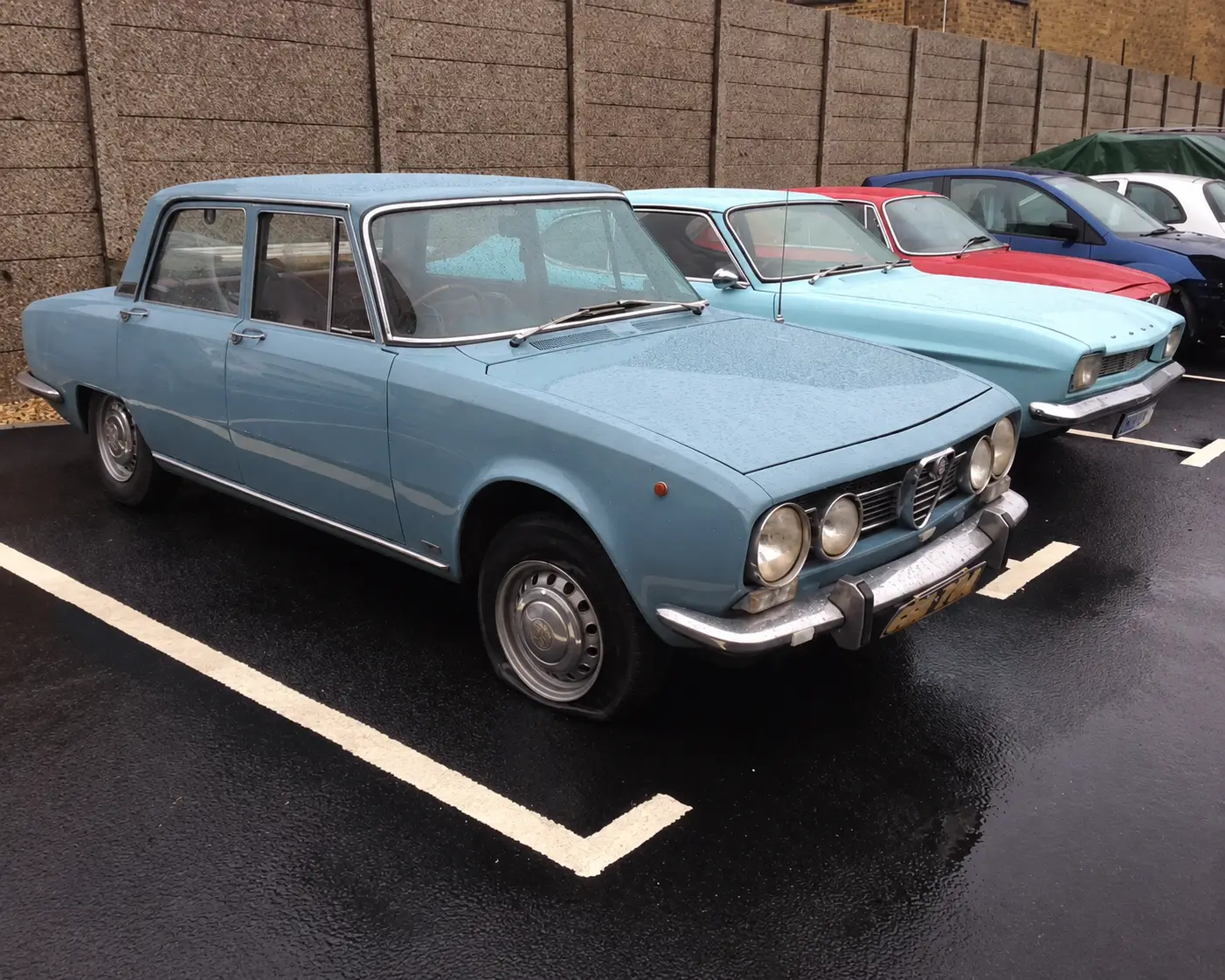
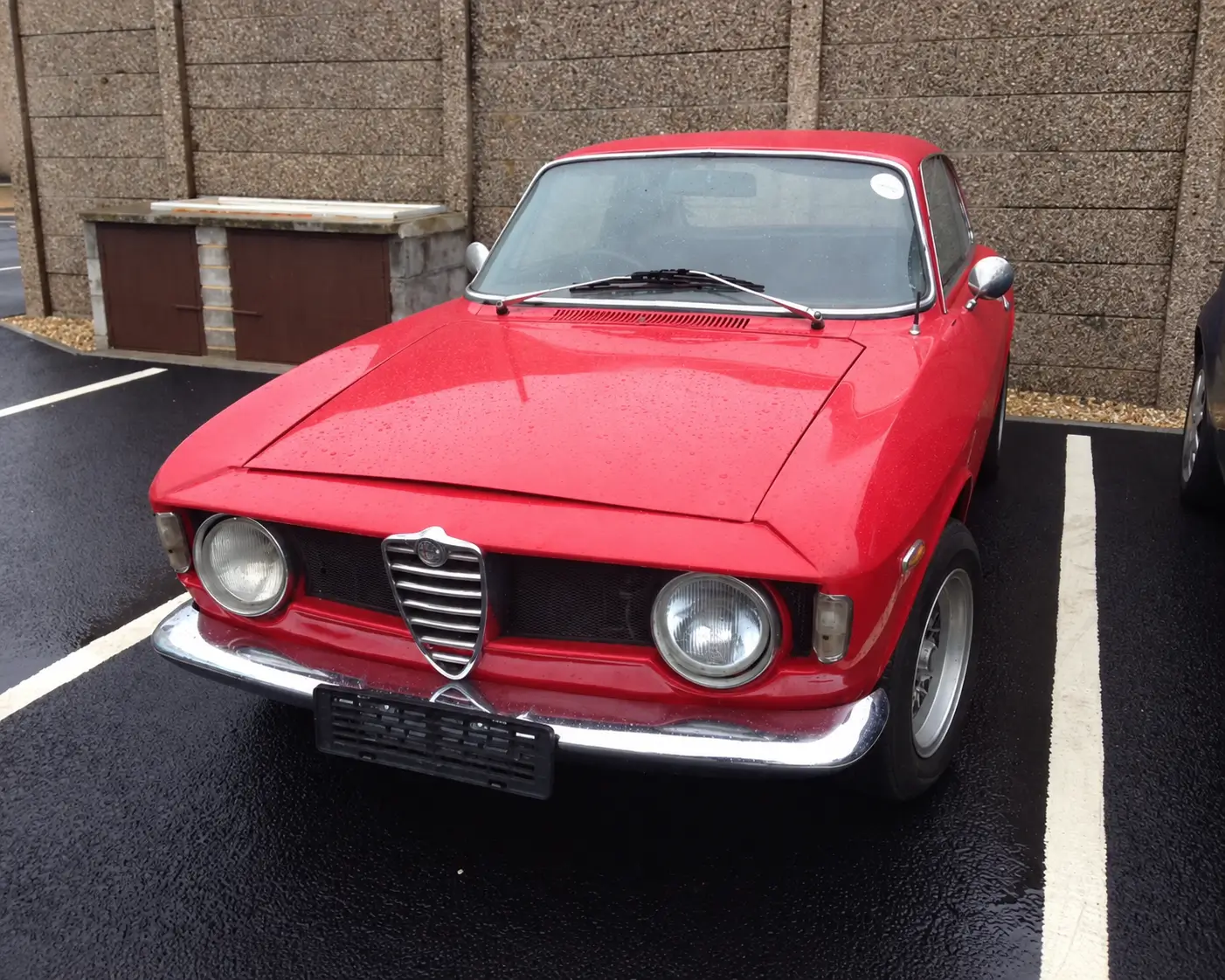
Alfa Romeos featured heavily, but they were far from the only cars to pass through Trickett Welding.
There were Mercedes-Benz models, Volkswagens, British sports cars and all sorts of other interesting machinery. Nigel remembers that one of the most enjoyable parts of the whole operation was never quite knowing what was going to arrive on the next transporter.
For a welding and restoration workshop in Dorset, it made for some fairly extraordinary scenes.
At times the yard looked more like the parking area for a classic-car auction, with cars from completely different manufacturers, eras and countries sitting alongside one another after travelling thousands of miles from South Africa.
When the economics changed
By 2017, things had begun to change.
The exchange rate had moved against the importing operation and the figures no longer stacked up as they once had. The margin involved in buying cars in South Africa, shipping them to Britain, preparing them and then selling them here had effectively disappeared.
What had been a viable business model for several years was no longer working.
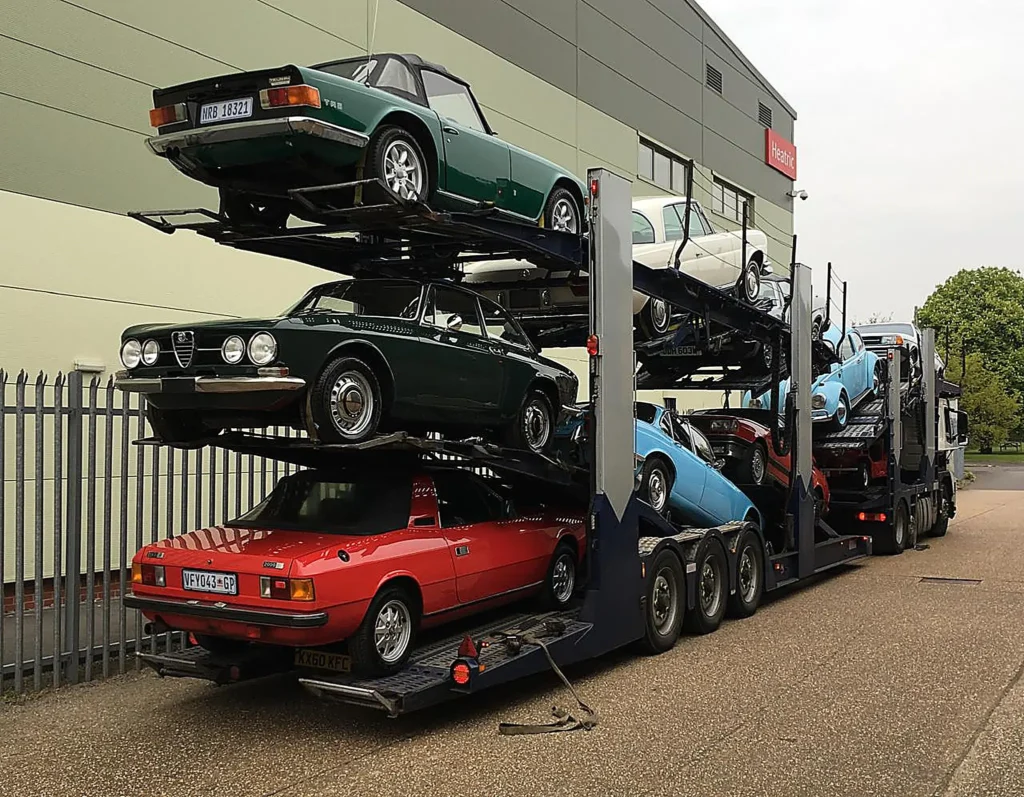
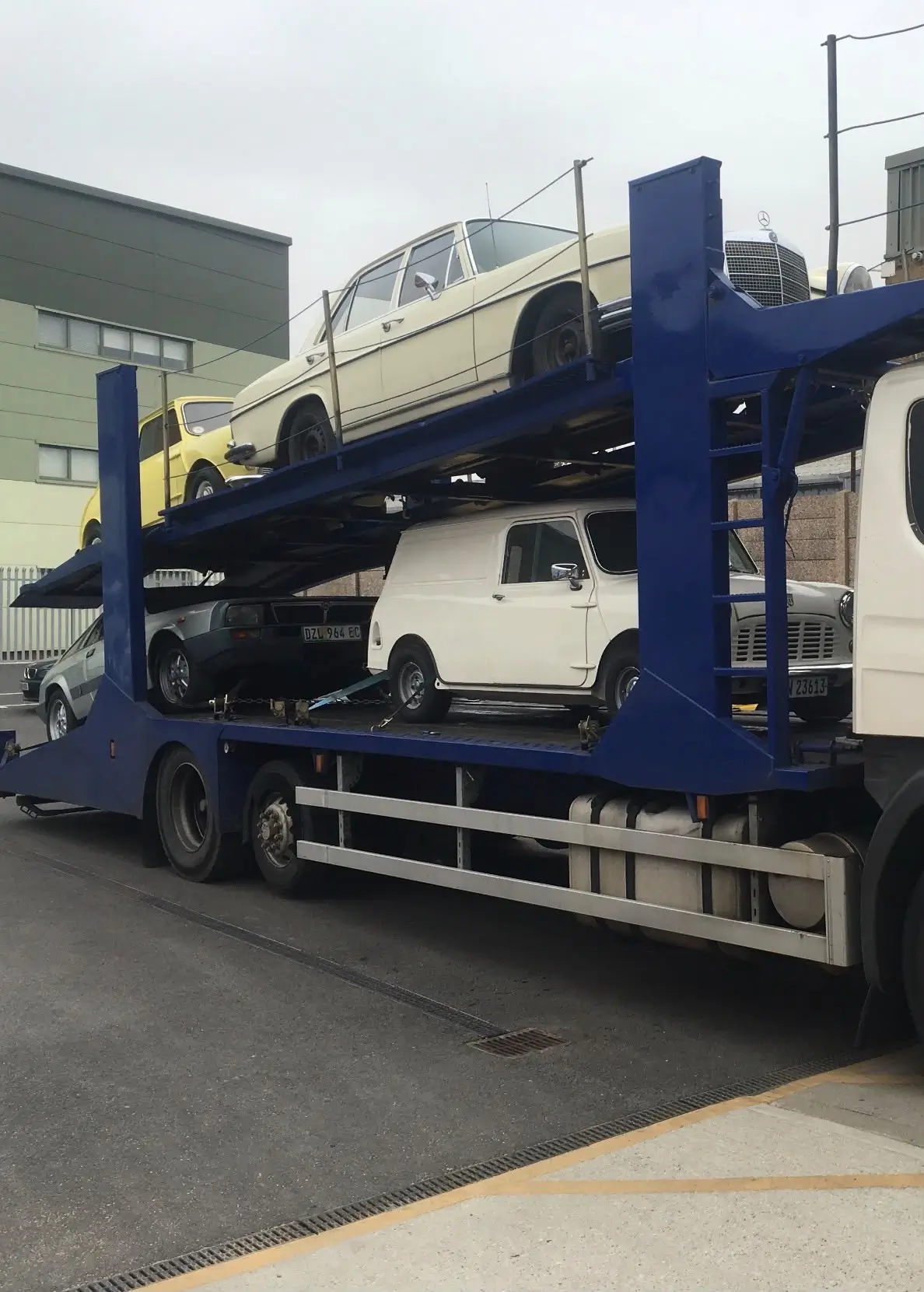
As the operation began to wind down, Nigel photographed a transporter being loaded with a collection of cars that were heading to a classic-car auction.
There was still one Mercedes waiting for its MOT. Nigel took the car to a local garage, got the test completed and then met the transporter out on the road so the Mercedes could be loaded before it continued on to the auction.
It was one of those slightly unusual jobs that seemed perfectly normal at the time.
There is also a small footnote to the photographs from that period. A Triumph TR7 can be seen travelling on the transporter, but that particular car had nothing to do with the South African imports. Nigel had bought it from one of his own customers and it simply happened to be travelling with the others.
Looking for the next idea
Although the South African classic-car operation was coming to an end, the importer was already considering other possibilities.
One involved a Ferrari 250 California-style recreation based on BMW Z3 running gear. Conversions of this type were being produced in small numbers at the time, transforming the BMW with completely different bodywork inspired by one of Ferrari’s most famous designs.
Nigel had the opportunity to drive one of the cars for a while and remembers that it certainly attracted plenty of attention.
The venture did not progress, however, and Nigel recalls that concerns from Ferrari ultimately brought the idea to an end.
It was not the only new direction being explored.
The mysterious box on the transporter
One of the more unusual items to arrive from South Africa did not look particularly exciting at first.
In photographs of one of the later transporters, a large rectangular box can be seen strapped in among the load. It wasn’t a car part at all.
Inside was a South African-made expedition roof tent.
The plan was for the customer to become the sole UK importer for the tents, and Trickett Welding fitted the first one to his Land Rover Defender so that it could be properly evaluated.
Once raised, it created a substantial elevated camping unit and was a clever piece of equipment.
It was certainly a very different direction from importing classic cars, but unfortunately the idea never progressed beyond that first installation.
Surely the final shipment
Although the main importing operation had effectively finished by then, there were still cars that had already been bought and committed to making the journey to Britain.
Later in 2017, another transporter arrived at Trickett Welding.
Among the cars photographed during this final period were a white Lancia Flavia and a pale-green classic Mercedes saloon, together with other classics that still needed to be dealt with.
By then it really did feel as though the South African story had run its course.
The regular stream of cars had stopped, the remaining stock was gradually being worked through and attention was moving elsewhere.
Nigel remembers thinking that was the end of it. It wasn’t quite.
This time it really was the last one
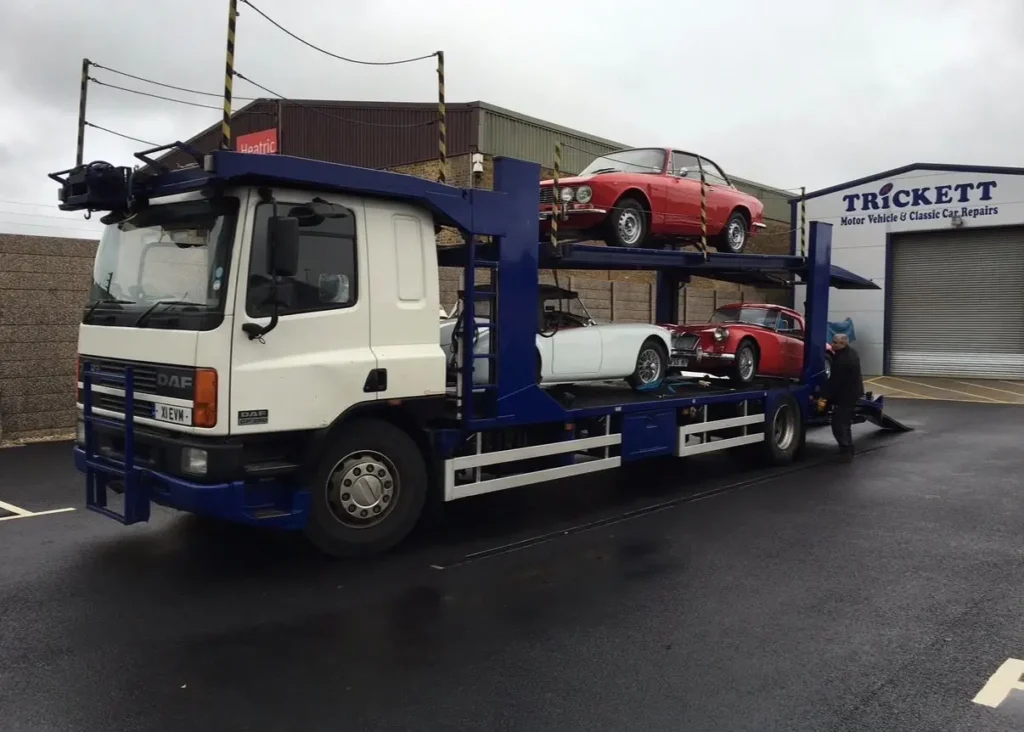
Just as everyone thought the final South African cars had arrived, one more transporter appeared.
Sitting prominently on the upper deck was a red classic Alfa Romeo, with several more cars packed around it.
After years of transporters arriving at the workshop, this one genuinely was the last.
Once the remaining cars had been dealt with and sold, the importer returned to South Africa and a memorable chapter in the history of Trickett Welding came to a close.
Looking back
What strikes Nigel most now is just how ordinary the whole thing seemed while it was happening.
A transporter would arrive, another group of old cars would be unloaded and the team would simply get on with the work.
It is only when the photographs are viewed together that the scale and variety of what passed through the workshop really becomes apparent.
Some cars needed very little. Some tested the team. Some were models rarely seen on British roads.
But every transporter brought something interesting, and every car had already completed a remarkable journey before it even reached the workshop in Dorset.
Nigel is particularly glad that he kept taking photographs.
They are more than photographs of old cars now. They are a record of a particular period in the life of Trickett Welding: the people the company worked with, the jobs the team took on and the strange and wonderful machinery that somehow found its way from South Africa to Dorset.
At the time, it was simply another day's work. Looking back now, it was quite an adventure - and a memorable chapter in the history of Trickett Welding.
Why Choose Trickett Welding?
The Area’s Leading Classic Vehicle Specialists
Trickett Welding has earned a reputation as one of the area’s most trusted names in classic car care. Here’s what sets us apart:

Decades Of Experience With Classics
We understand traditional engineering, historic materials, and the unique design quirks of older vehicles

Skilled Welding & Fabrication Expertise
Many classic repairs involve structural or metalwork issues—our welding capabilities allow us to fix what others can’t.

Honest, Customer-Focused Service
We explain everything clearly, offer practical advice, and never overcomplicate the Process.

Respect For Originality
We maintain and repair your classic sympathetically, protecting its authenticity and value.

A Reputation Built On Quality
A long list of loyal clients and beautifully maintained classics demonstrates the standard of our work.
Need Specialist Vehicle Repairs?
Whether you need welding, restoration, rustproofing or general repairs, our experienced team are here to help.
- 01202 625050
- info@trickettwelding.co.uk
- Mon- Fri 8am to 5pm
- 48a Holton Road, Holton Heath Trading Estate, Poole, Dorset, BH16 6LT
- We provide free on-site estimates
- We can offer a collection and delivery service by arrangement
- We support local classic car events
Vehicle Welding Specialists in Dorset
Trickett Welding provide professional vehicle welding, restoration and repair services across Dorset and the surrounding areas. Our workshop works with classic car owners, enthusiasts and everyday drivers who want reliable, specialist vehicle care.
 01202 625050
 info@trickettwelding.co.uk